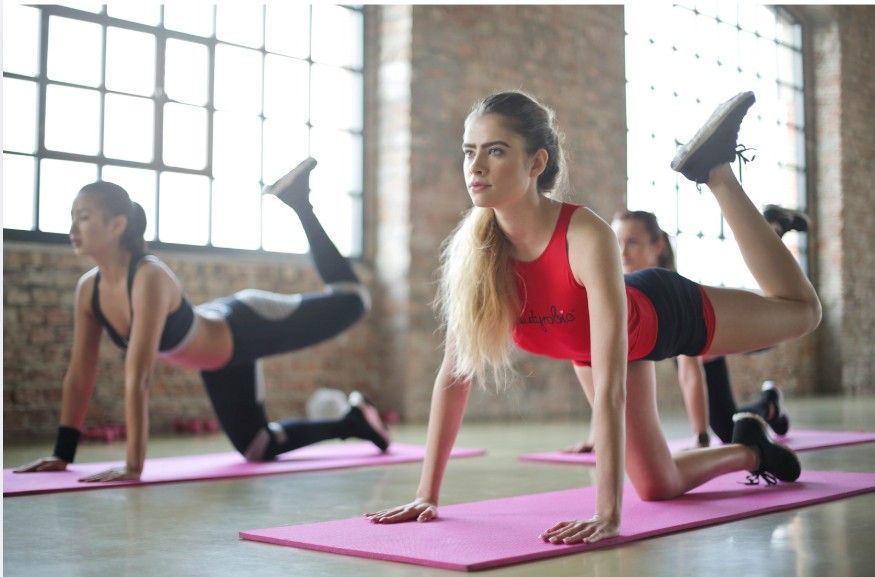
Hey Ladies Have You Heard About Exercising According to Your Cycle?
Have you ever noticed that some weeks you feel strong, energetic and ready to exercise, while at other times your usual workout feels surprisingly hard?
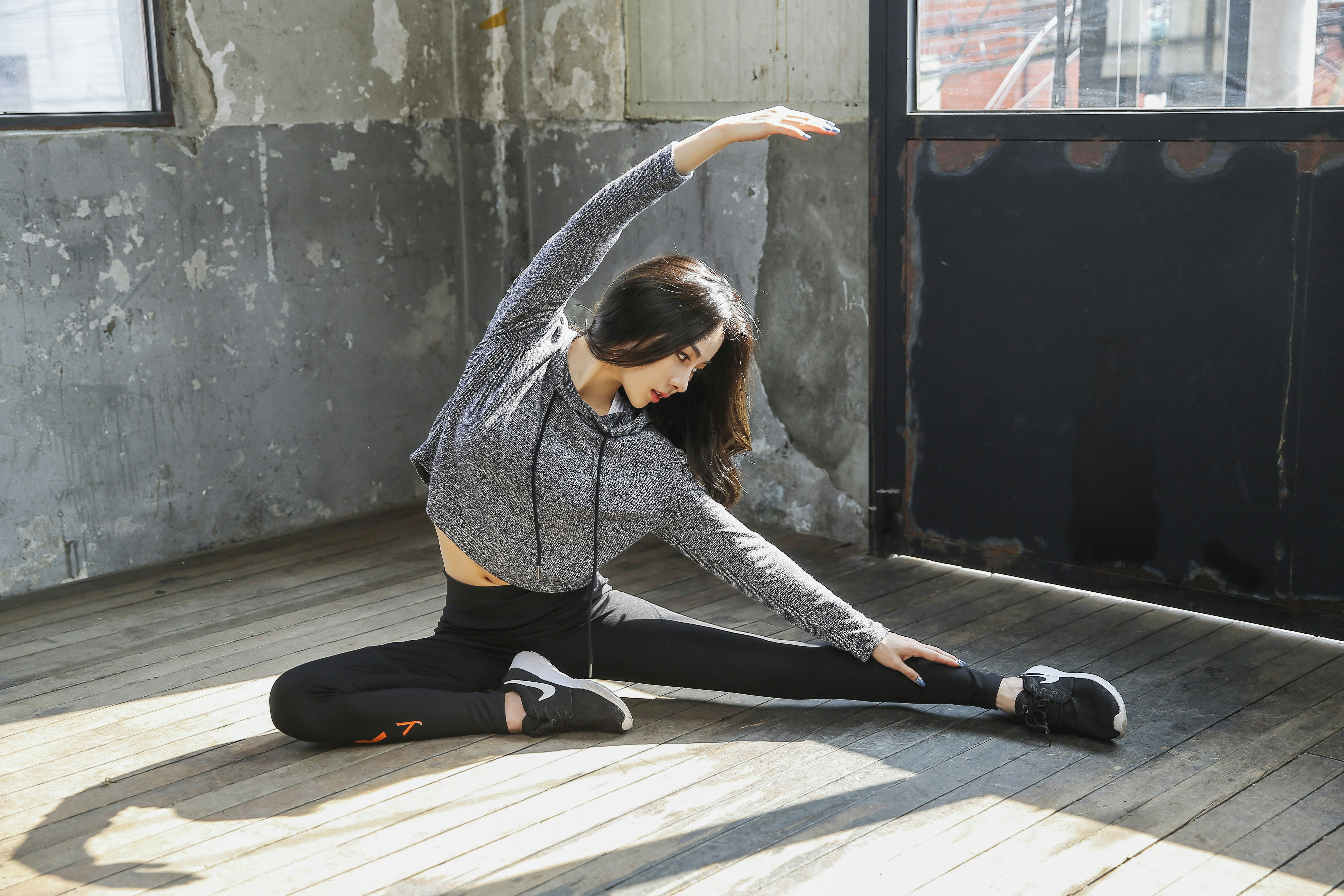
Your menstrual cycle may be one of the factors influencing how you feel during exercise.
Throughout a natural menstrual cycle, hormones including oestrogen and progesterone fluctuate. These changes may influence temperature regulation, energy use, recovery, mood and, in some women, exercise performance. However, every woman responds differently, so exercising according to your cycle should be about listening to your body rather than following rigid rules.
Menstrual phase: listen to how you feel
During your period, particularly in the first few days, cramps, fatigue, headaches or heavier bleeding may make exercise less appealing.
If you feel well, there is no reason you cannot continue your normal training. If symptoms are noticeable, you might prefer walking, mobility exercises, yoga, swimming or lighter strength training.
Follicular phase: energy may start to rise
After menstruation, oestrogen generally rises as the body moves towards ovulation.
Some women report feeling more energetic during this part of their cycle, making it a good opportunity to enjoy strength training, running, higher-intensity exercise or learning new movements.
Research investigating strength across the menstrual cycle has found possible advantages during the later follicular phase, although results between women and studies remain variable. [1,2]
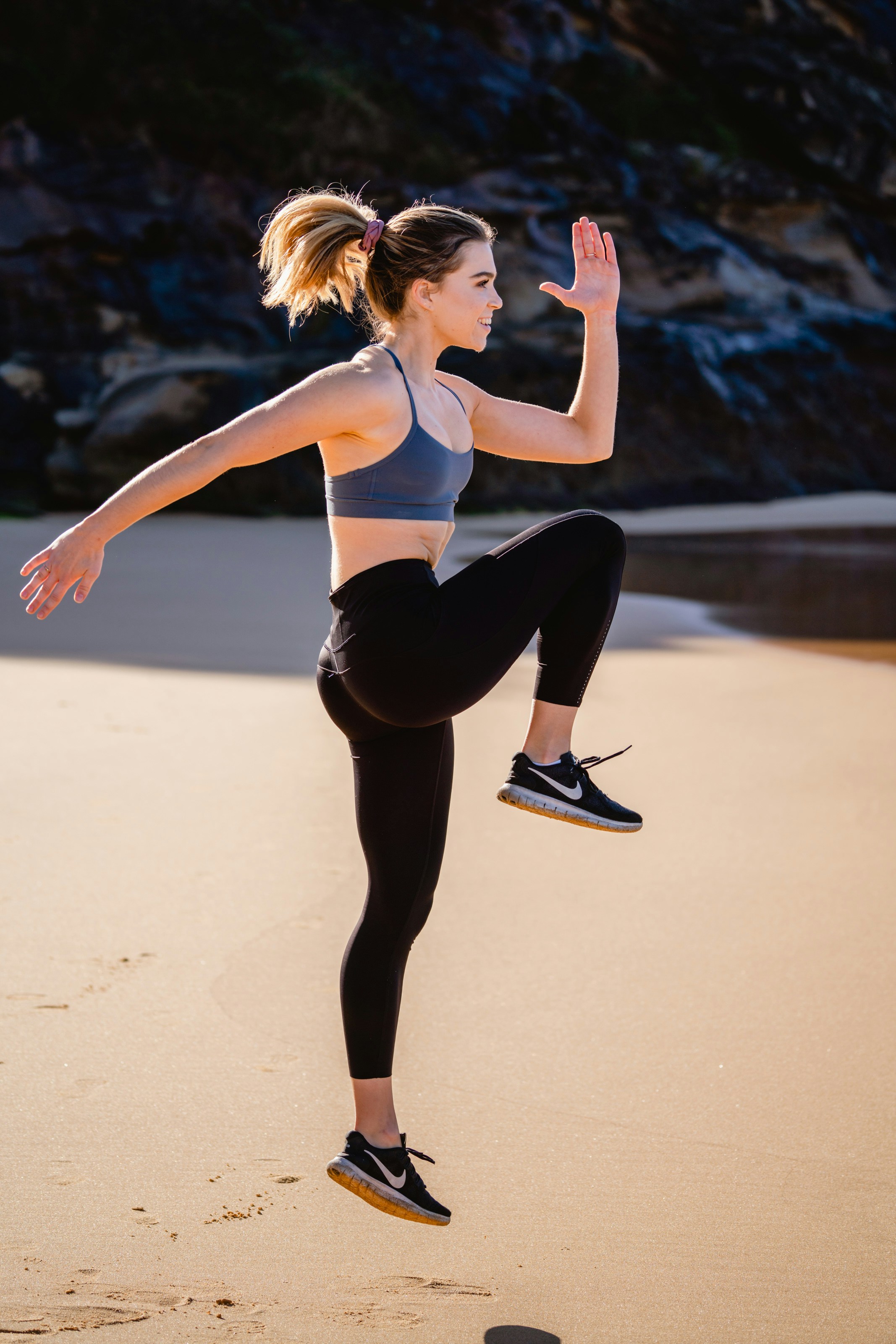
Around ovulation: keep moving
For women who feel good around ovulation, usual strength, cardiovascular and sporting activities can continue.
Rather than assuming you should perform better at a particular time, pay attention to your own energy, recovery and comfort.
Luteal phase: adjust when needed
After ovulation, progesterone rises and body temperature increases slightly. As your next period approaches, some women experience bloating, breast tenderness, reduced energy, mood changes or poorer sleep.
This may be a time to reduce workout intensity, take longer recovery periods or choose enjoyable lower-intensity movement—but only if your body is asking for it.
Your cycle is information, not a rulebook
Current research does not support one universal exercise program based purely on menstrual-cycle phase. Studies show considerable variation between women, and some find little meaningful difference in performance across the cycle. [1–4]
A useful approach is to track your period alongside energy, symptoms, sleep and exercise performance for several months. You may begin to recognise your own pattern.
At Burpengary Chiropractic Clinic, we encourage women to stay active throughout every stage of life. Understanding how your body responds to movement can help you make exercise more comfortable, enjoyable and sustainable.
Move well. Feel well. And exercise with your body not against it.
References
Schlie J, Krassowski V, Schmidt A. Effects of menstrual cycle phases on athletic performance and related physiological outcomes: a systematic review of studies using high methodological standards. Journal of Applied Physiology. 2025;139(3):650–667.
Meignié A, Duclos M, Carling C, et al. The effects of menstrual cycle phase on exercise performance in eumenorrheic women: systematic review and meta-analysis. Sports Medicine. 2020;50:1813–1827.
Colenso-Semple LM, D'Souza AC, Elliott-Sale KJ, Phillips SM. Current evidence shows no influence of women's menstrual cycle phase on acute strength performance or adaptations to resistance exercise training. Frontiers in Sports and Active Living. 2023;5:1054542.
Prado RCR, Hackney AC, Silveira R, et al. Effect of menstrual cycle phase on perceived exertion during aerobic exercise in eumenorrheic women: a systematic review and meta-analysis. Journal of Women's & Pelvic Health Physical Therapy. 2024;48(2):91–102.
