
Cervicogenic Dizziness: Could Your Neck Be Affecting Your Balance?
Understanding the connection between your neck, nervous system and dizziness — and how chiropractic care may help.
Have you ever experienced dizziness, unsteadiness or a feeling of being off-balance when turning your head or moving your neck?
While dizziness is often associated with the inner ear, sometimes the neck may contribute to these symptoms.
This condition is known as cervicogenic dizziness, and research suggests that altered sensory information from the neck can interfere with how the nervous system coordinates balance and movement. [1]
How Does Your Neck Influence Your Balance?
Your brain continually receives information from three important sensory systems:
Your eyes (visual system): Help you understand your surroundings and orientation.
Your inner ear (vestibular system): Detects head movement and helps maintain balance.
Your muscles and joints (proprioceptive system): Tell your brain where your body is and how it is moving.
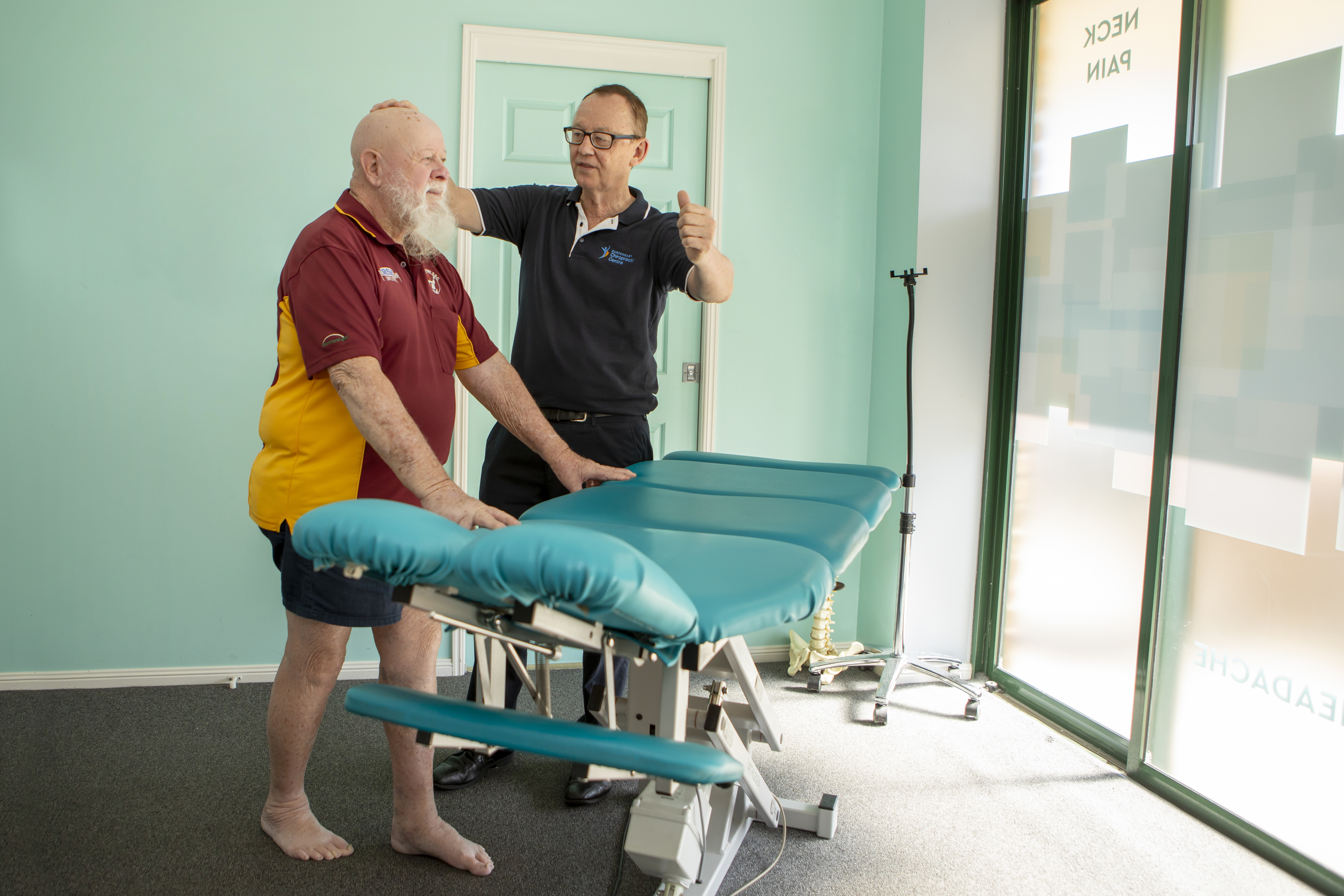
Your neck contains specialised sensory receptors called proprioceptors. These provide continuous information about the position and movement of your head.
Your brain integrates these signals to coordinate your head, eyes and body, allowing you to move confidently through your environment.
However, neck pain, stiffness or altered neck movement may change the sensory information reaching your brain.
When information from your neck does not agree with signals from your eyes and inner ear, a sensory mismatch may develop, potentially contributing to dizziness and imbalance. [1]
What Are the Symptoms of Cervicogenic Dizziness?
Commonly reported symptoms include:
Unsteadiness or a feeling of imbalance
Dizziness associated with neck movements
Neck pain, stiffness or restricted movement
Headaches associated with neck discomfort
Difficulty maintaining balance during certain activities
Cervicogenic dizziness is generally associated with imbalance rather than intense spinning sensations.
However, dizziness can have many causes, including inner-ear disorders, vestibular migraine and medical conditions. A thorough assessment is important because there is no single definitive test for cervicogenic dizziness. [2]
How Can Chiropractic Care Help?
Chiropractic care may help some patients by addressing neck discomfort, improving movement and supporting the sensory information the nervous system uses to coordinate balance.
Depending on individual needs, care may involve:
Gentle manual therapy: Techniques directed towards improving neck movement and reducing discomfort.
Proprioceptive exercises: Activities that help develop awareness and control of head and neck position.
Balance and coordination exercises: Movement activities that challenge the nervous system to integrate visual, vestibular and proprioceptive information.
Movement education: Helping patients understand their symptoms and gradually regain confidence in everyday activities.
A 2022 systematic review found moderate-quality evidence that manual therapy can reduce dizziness and associated neck symptoms in patients with cervicogenic dizziness. [3]
A further systematic review in 2025 identified improvements in dizziness intensity and its impact on daily activities following certain cervical manual therapies. [4]
These findings are encouraging but do not mean chiropractic treatment will help every person experiencing dizziness.
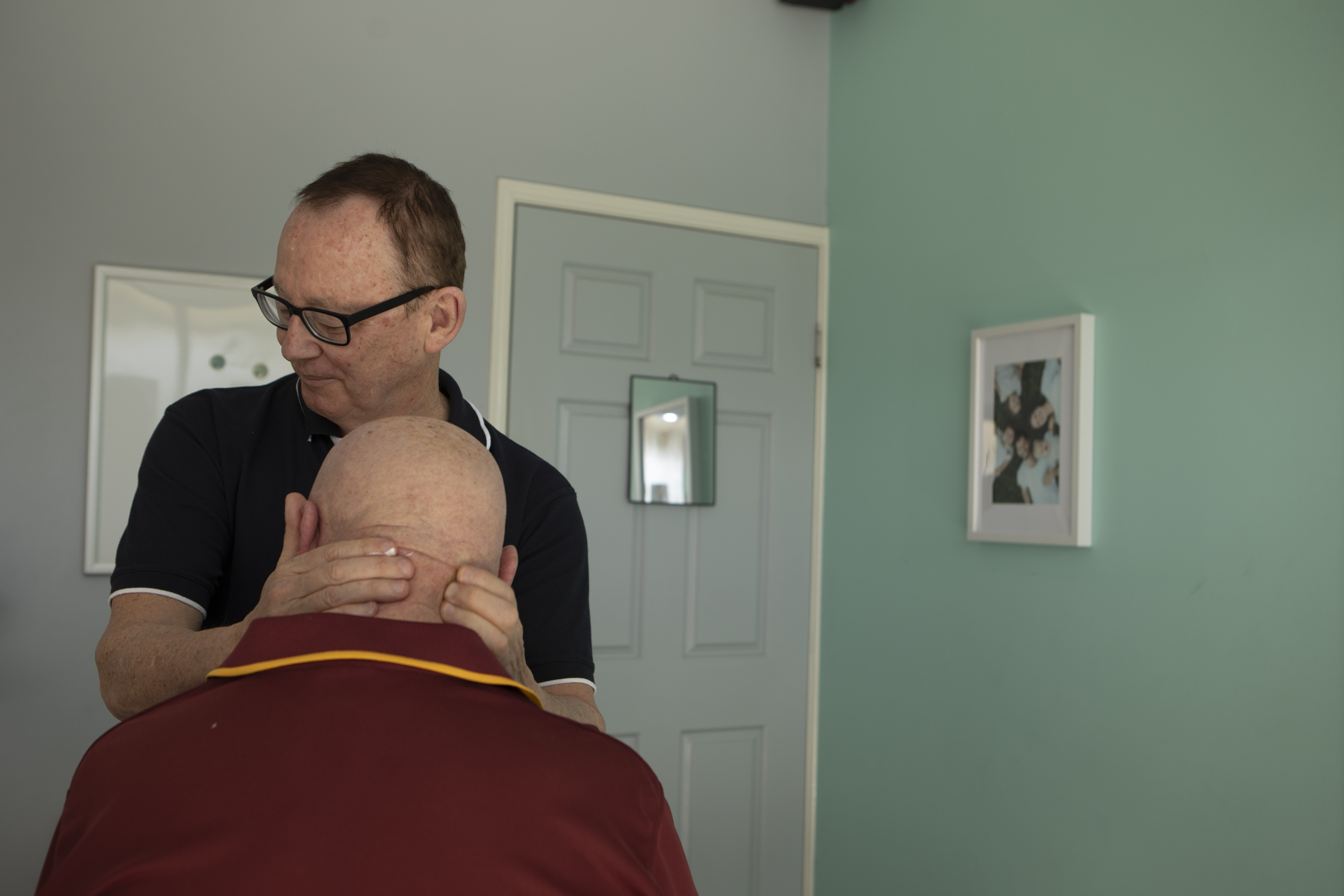
Supporting Your Nervous System and Balance
At Burpengary Chiropractic Clinic, we recognise that maintaining balance involves much more than simply standing upright.
Your brain must continually organise information from your neck, eyes, inner ear and body to coordinate movement.
Our approach focuses on understanding how these systems interact, assessing neck function and providing appropriate chiropractic care to support comfortable, confident movement.

Experiencing dizziness alongside neck pain or stiffness?
Contact Burpengary Chiropractic Clinic to arrange an assessment and explore whether your neck may be contributing to your symptoms.
Important: Sudden dizziness accompanied by weakness, difficulty speaking, double vision, a severe unusual headache or difficulty walking requires immediate emergency medical assessment.
References
1. Li, Y., Yang, L., Dai, C., & Peng, B. (2022). Proprioceptive cervicogenic dizziness: A narrative review of pathogenesis, diagnosis, and treatment. Journal of Clinical Medicine, 11(21), 6293.
https://doi.org/10.3390/jcm11216293
2. Reiley, A. S., Vickory, F. M., Funderburg, S. E., Cesario, R. A., & Clendaniel, R. A. (2017). How to diagnose cervicogenic dizziness. Archives of Physiotherapy, 7, 12.
https://doi.org/10.1186/s40945-017-0040-x
3. De Vestel, C., et al. (2022). Systematic review and meta-analysis of the therapeutic management of patients with cervicogenic dizziness. Journal of Manual & Manipulative Therapy, 30(5), 273–283.
https://doi.org/10.1080/10669817.2022.2033044
4. Carrasco-Uribarren, A., et al. (2025). Is manual therapy effective for cervical dizziness? A systematic review and meta-analysis of randomized controlled trials. BMC Musculoskeletal Disorders, 26, 659.
